Topics Under Chapter 7
Home Depot Consumers: Ability to Process Information by Marycruz
When there needs to be some remodeling done in a home or apartment, a person does research on the materials they need to do it. Let’s say for example a person wants to add some tile into their bathroom, they need to buy the things they need to do it but they will first do research on where and what to buy. First off there are four variables that affect the extent of external information search 1) consumer knowledge 2) cognitive abilities 3) consumer effect 4) demographic factors. The consumer will probably have some basic knowledge on how to install tile in the bathroom and will most likely look into Home Depot since it is a very popular home improvement store. Having some basic knowledge, they will move forward with the process. Consumers with a higher cognitive ability will likely be able to process the information that they are searching for and will most likely complete the project of installing tiles. Then you have a consumer effect. If the person who is doing the research has an easy way of getting the information they need, then most likely they will continue but if not they can change their mind about adding the tile. Another variable that affects the external information search would be demographic factors. A person who is educated will spend more time looking for information than a person who does not have an educational background.
Internal Search: Searching for Information from Memory
By Alejandra Gonzalez
Consumers use internal search after problem recognition has been done in order to make their decisions. The internal search comes from stored memory from past experiences, feelings, and much more information. For example, if Home Depot starts to sell a brand you’re not a fan of due to past experience with it you most likely will not want to try it again since you know the outcome. Another example says you’re looking into buying a new refrigerator but unsure of what brand to go with, this is when an internal search is helpful because you can recall a memory from seeing a friend’s refrigerator that you did like therefore you go with that brand. There are four types of information from internal search: (1) brands, (2) attributes, (3) evaluations, and (4) experiences.
External Search: Searching for Information Externally by Dean
The majority of Home Depot’s customers are hands-on and they would do a lot of research before purchasing anything. It's important for Home Depot to create an online presence and position itself as the go to platform for Home Improvement. The company has invested a lot of money to be ranked #46 in the U.S respectively that positioned them to help their customers find what they’re looking for when it comes to home improvement.

It’s interesting that Home Depot’s online traffic is 49.6% organic which means that almost 1 out of 2 people that go to their site have the company at the top of their mind when doing an external search. Here’s an overview of how many consumers are visiting their website.
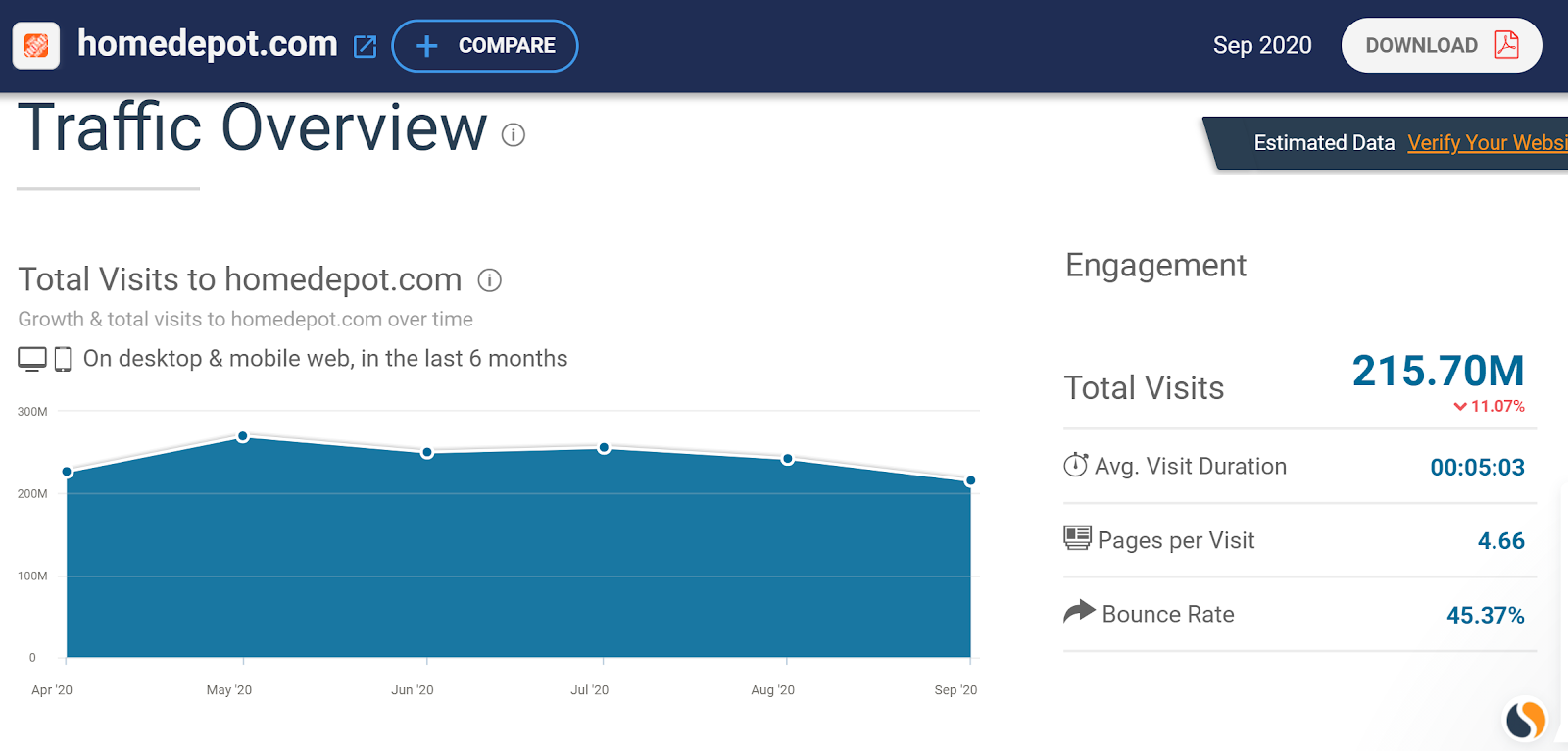
By building an online presence Home Depot not only capitalized on e-commerce revenue but also increased consumer brand awareness and helped them to become the go-to hub for anything related to construction. It’s imperative for brands to build an online presence so that their customers can find them when they do an external search for information.
Stimulating Problem Recognition
By: Niousha Khosrowyar
Problem recognition is created by the consumer’s dissatisfaction with the current state of affairs and/or the product or service being used. Problem recognition can be stimulated by the purchase of a product. For example, the purchase of a new mobile handset may lead to the recognition of a need for accessories, such as an additional battery or a carrying case. Another source of problem recognition is marketers’ actions that encouraged consumers not to be content with their current state or situation. Advertisements for personal hygiene products such as mouthwash, deodorant, and foot sprays may be designed to create insecurities that consumers can resolve through the use of these products. In this ad, Home Depot stimulated consumers' problem recognition by conveying that they are spending more money than they really need to, and should buy a fluorescent bulb instead which will lower a household's electricity bill by $10.

Comments
Post a Comment